Natural SEO: how to rank on Google without paying for ads
Technical foundations, search intent, content worth citing and links you earn. A step-by-step guide to organic SEO that still works with AI-powered search.
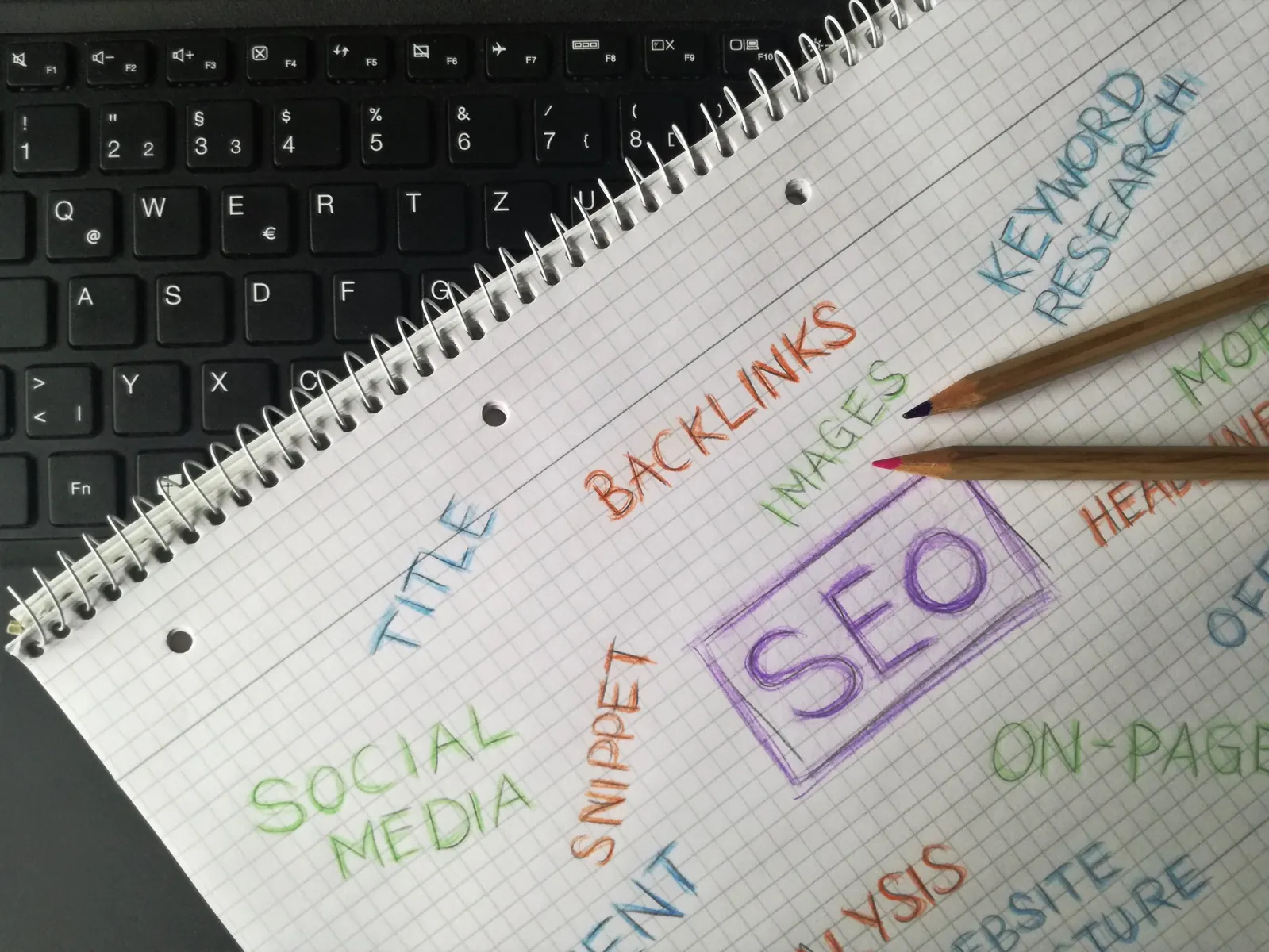
Natural SEO — also called organic SEO — is everything you do to appear in search results without paying for each click. It takes longer than ads to deliver, but it compounds: a page that ranks well can bring visitors for years, while ad traffic stops the day the budget does.
Search has changed a lot with AI Overviews and AI-powered answers, yet the fundamentals have not. Search engines and AI systems both want the same thing: pages that are easy to access, clearly structured and genuinely useful. Here is how to build them.
1. Get the technical foundations right
If search engines cannot crawl and understand your site, nothing else matters. Start here:
- Indexing. Verify your site in Google Search Console and check the Pages report. Important pages should be indexed; duplicates and thin pages should not.
- XML sitemap and robots.txt. Submit a sitemap listing your important URLs, and make sure robots.txt does not accidentally block them.
- HTTPS everywhere, with one version of each URL. Redirect http to https, and pick either www or non-www.
- Clean, readable URLs like
/services/seoinstead of/page?id=482. - Canonical tags on pages that could exist under several URLs, such as filtered product lists.
- Mobile-friendly design. Google indexes the mobile version of your site first.
Page speed and Core Web Vitals
Google measures real-user experience through Core Web Vitals. The targets for a “good” score are:
- Largest Contentful Paint (LCP) under 2.5 seconds — how fast the main content appears.
- Interaction to Next Paint (INP) under 200 milliseconds — how quickly the page responds to taps and clicks.
- Cumulative Layout Shift (CLS) under 0.1 — how much the layout jumps around while loading.
Compress and resize images, serve modern formats like WebP or AVIF, limit third-party scripts and use good hosting. Check your results in PageSpeed Insights and the Core Web Vitals report in Search Console.
2. Research keywords by intent, not just volume
A keyword is really a question someone is asking. Before writing anything, understand what the person searching wants:
- Informational — “how to choose a CMS”. They want to learn. Answer with a guide.
- Commercial — “best web agency for small business”. They are comparing. Show proof, process and pricing signals.
- Transactional — “hire SEO consultant”. They are ready to act. Make the next step obvious.
- Local — “web designer near me”. They want someone nearby. Local SEO matters most here.
The fastest way to read intent is to search the keyword yourself and look at what ranks. If the top results are all guides, a sales page will struggle, and the other way round.
Start with specific, longer phrases where competition is lower — “SEO for Shopify clothing stores” rather than “SEO”. Search Console’s Performance report also shows the queries you already appear for; pages ranking on page two are often the quickest wins.
3. Optimise each page for one main topic
Give every important page one clear job and one main search intent. Then make that obvious:
- Title tag: unique, descriptive, with the main topic near the start, and roughly 50–60 characters so it is not cut off.
- Meta description: it does not directly affect rankings, but a clear, specific summary improves clicks.
- One H1 that matches what the page is about, then H2s and H3s that structure the content logically.
- Answer early. If the page answers a question, give the short answer near the top, then go deeper. This also helps AI-generated answers pick up and cite your page.
- Images: descriptive file names and alt text that explains what the image shows.
Avoid keyword stuffing. Write naturally, use related terms and synonyms, and cover the topic completely. Search engines understand meaning, not just matching words.
4. Publish content worth ranking — and worth citing
Google’s guidance is consistent: content should be helpful, reliable and written for people first. In practice, that means content that shows real experience, expertise, authoritativeness and trustworthiness — often shortened to E-E-A-T.
- Add what only you know. Your own examples, data, photos, case studies and opinions are what make a page better than the ten others on the same topic.
- Show who wrote it and why they are qualified, with an author name and short bio.
- Be complete, not long. Cover what the searcher needs, then stop. Padding a page to hit a word count does not help.
- Keep it current. Update statistics, screenshots and advice when things change, and say when you did.
- Build topic clusters. A main guide linked to several detailed articles on sub-topics shows depth on a subject.
This is also how you show up in AI Overviews and other AI answers. They tend to cite pages that state facts clearly, are well structured and come from sources that are already trusted on the topic. There is no separate trick — good SEO is the strategy.
5. Use internal links deliberately
Internal links help search engines discover pages and understand which ones matter most. They also keep visitors moving through your site.
- Link from strong pages (your homepage, popular articles) to the pages you want to rank.
- Use descriptive anchor text — “our technical SEO audit” rather than “click here”.
- Make sure no important page is an orphan with zero links pointing to it.
6. Add structured data
Structured data (schema markup, usually in JSON-LD) describes your content in a format machines understand: an article, a product, a local business, an FAQ, an event. It can make you eligible for rich results such as review stars, prices or event dates, and it helps search engines and AI systems understand your pages. Test it with Google’s Rich Results Test.
7. Earn links, do not buy them
Links from other reputable websites are still one of the strongest signals of trust. The key word is earn. Buying links or joining link schemes breaks Google’s spam policies and can get your site penalised.
Ways to earn links that hold up:
- Create linkable assets: original research, free tools, templates or the definitive guide on a topic.
- Digital PR: share data or expert commentary with journalists and industry publications.
- Partnerships: suppliers, clients, events and associations you already work with often have pages that can mention you.
- Guest content on relevant, quality sites — for the audience, not just the link.
- Unlinked mentions: find places that mention your brand without linking and politely ask for a link.
8. Do not skip local SEO
If you serve customers in a particular area, a complete and active Google Business Profile is one of the highest-impact things you can do. Choose the right categories, add photos, post updates, keep your hours accurate and respond to every review. Make sure your business name, address and phone number are identical everywhere they appear online.
9. Measure, then improve
Use Google Search Console to track impressions, clicks, average position and click-through rate for each page and query, and Google Analytics to see what visitors do after they arrive. Review monthly:
- Pages with many impressions but a low click-through rate → improve the title and meta description.
- Pages ranking in positions 8–20 → strengthen the content and add internal links.
- Pages losing traffic → check whether competitors updated their content or the intent changed.
How long does natural SEO take?
For a new site, expect to see meaningful results after three to six months, and stronger results after a year of consistent work. Established sites fixing technical issues can see gains much faster. Anyone who guarantees a number-one ranking by a certain date is either guessing or planning something that will hurt you later.
The short version: make your site easy to crawl and fast, understand what people are really searching for, publish the best answer you can with real expertise, link your pages together sensibly and earn mentions from sites people trust. Then measure, improve and repeat.
Want to know what is holding your site back? Our SEO audits cover technical issues, content gaps and quick wins, explained in plain English. Get in touch to get started.